



Thank you to the poets who have kindly shared their talents for this #ScienceWeek celebration! This year’s theme, SEEDS TO SCENERY, has germinated lullabies for trees and forests; lyrics for weeds and optimism for endangered plant species. It includes gardening fauna, fabulous fragrances and essential DNA and H2O.
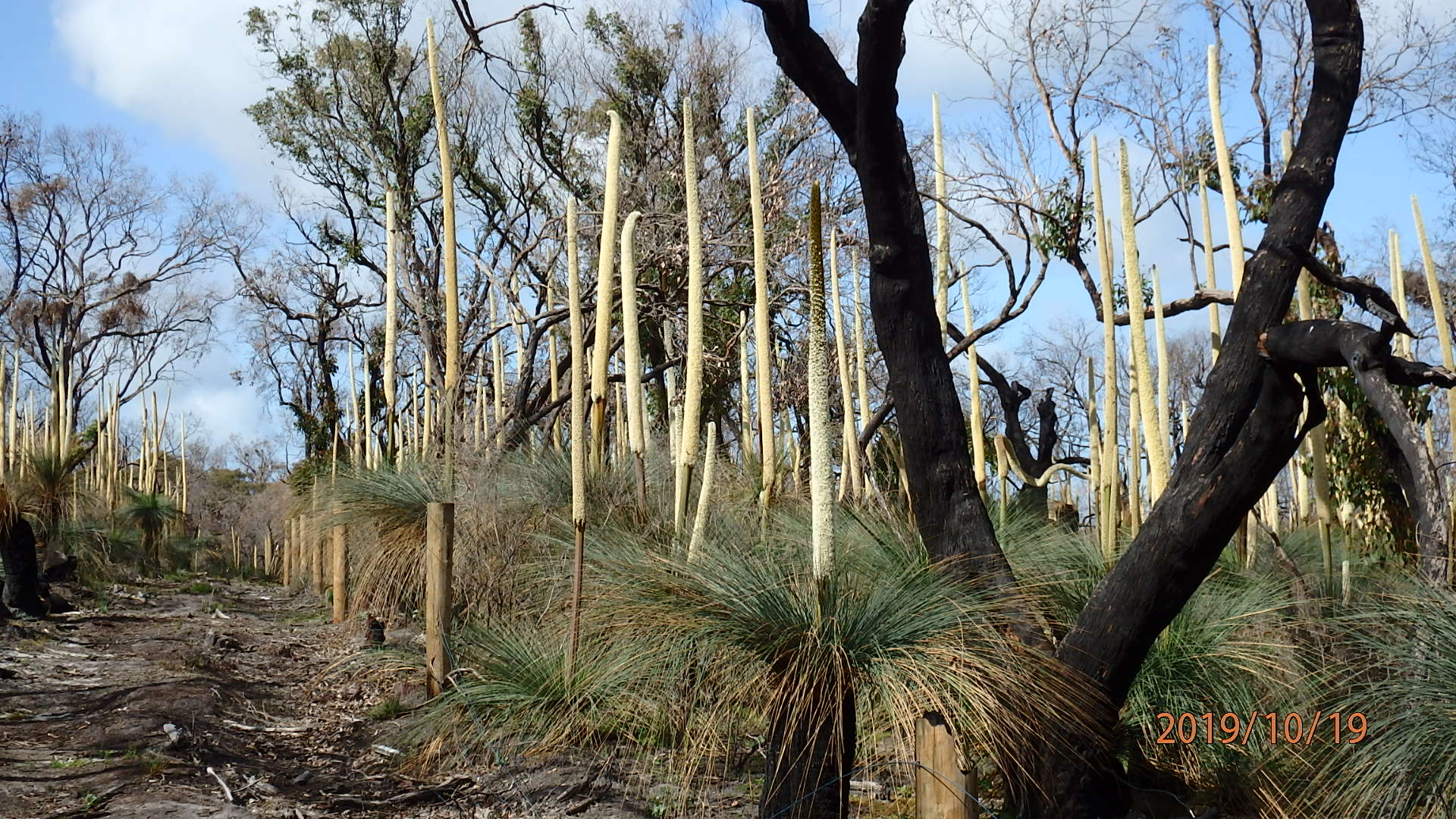
Photo of Grass Tree Forest by Hartley Tobin
Grass Trees Under Fire by Meryl Brown Tobin
In Grantville Grass Tree Forest
en masse bloomed hundreds of grass trees––
maybe a once-in-a-lifetime sight.
In the spring following summer bushfires
the host of creamy flower spikes attracted bees,
in Grantville Grass Tree Forest.
Some blackened trunks sprouted
multiple spikes thick as a woman’s knees––
maybe a once-in-a-lifetime sight.
To burned remnant native bush
native orchids, wildlife returned to please––
in Grantville Grass Tree Forest.
Hundreds of grass trees stand
like skirted hunters, spears to tease––
maybe a once-in-a-lifetime sight.
Sand miners now expand their pit
and dig up, bag grass trees, despite all pleas,
in Grantville Grass Tree Forest.
Indeed a once-in-a-lifetime sight?
After intense bushfires in Grantville, Victoria in early 2019, many hundreds of grass trees bloomed the following spring in the Grantville Grass Tree Forest at the Grantville Nature Conservation Reserve and sand mine on Crown Land next to it. A natural botanical phenomenon and maybe the best Grass Tree display ever seen in Australia. Much of the the ancient forest has now been dug up, bagged and translocated to allow expansion of the sand mine. Locals are fighting to ensure the rest of the forest is preserved in perpetuity.
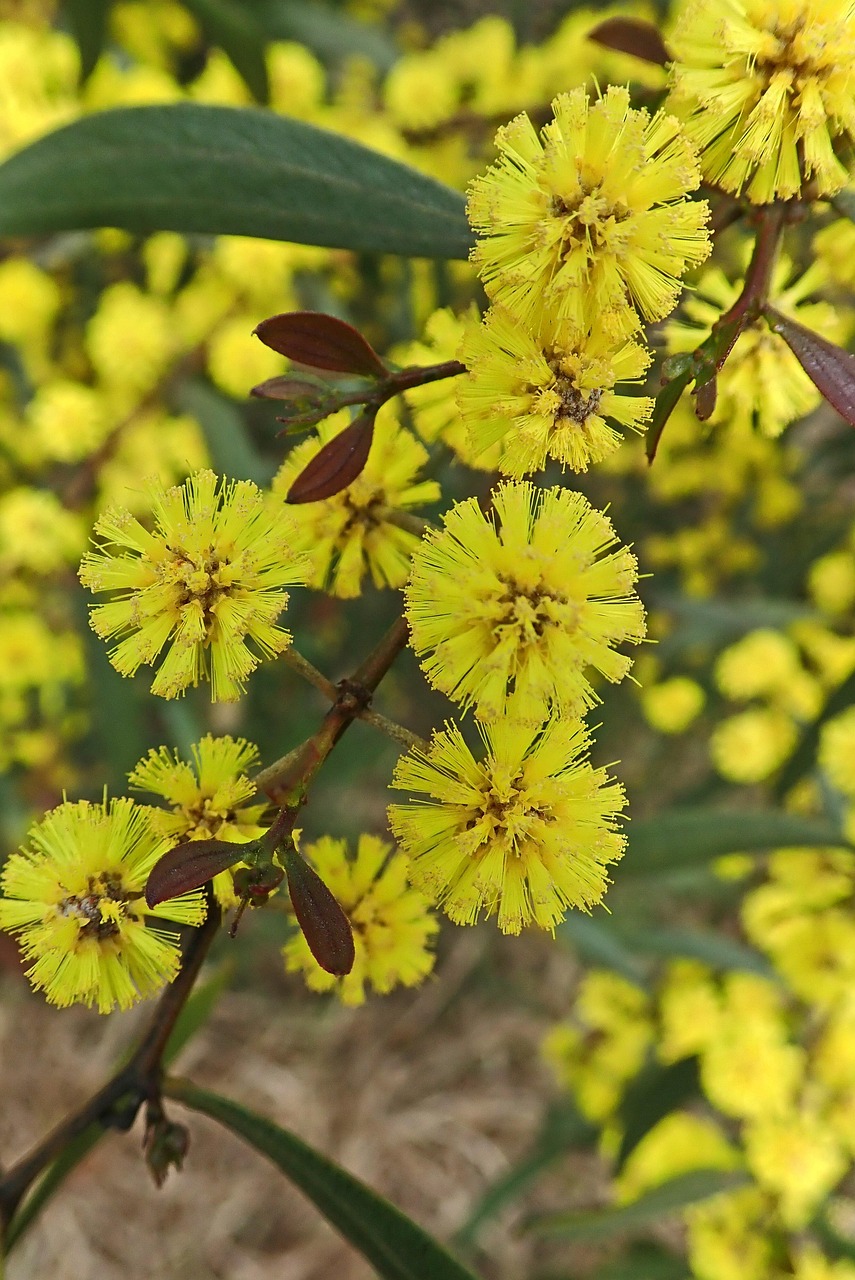
Acacia equisetifolia is critically endangered – Northern Territory
Wattle I do? by Diane Finlay
I am a lonely little wattle shrub
my family name is Fabaceae (fab-AY-see-ee)
by various strange and wonderful ways,
I’m related to the pea.
Peas are plentiful
but my fellow family members dwindle by the day.
Acacia equisetifolia is critically endangered
so the scientists say.
I’d really love to have a chat
calling out across the sandy ground,
“Is anybody there?”
then hoping for an answer
to float on through the humid air.
If anyone in the big wide world
would like to visit me
this is where I’ll be:
Graveside Gorge
Kakadu National Park
in the Northern Territory.
I’ll put my yellow pom-pom blooms on show,
they’re a little like dandelion clocks you know.
You’ll find me in a woodland glade
of woollybutt and bloodwood trees;
they’re shady, kind and friendly
but far too big to be my family.
My seed pods need a fire to burst them into life,
a little one will do.
It rained a lot last night and I am so surprised to see,
where last season I popped a pod or two
a teeny tiny green shoot – a sprouting Mini-me.
Space Invaders by Erica Chester
When introduced plants come to our land
they invade, take hold and expand
Our desert sands are chock-a-block
with bright red, English Rosy Dock
Other plants, same old story
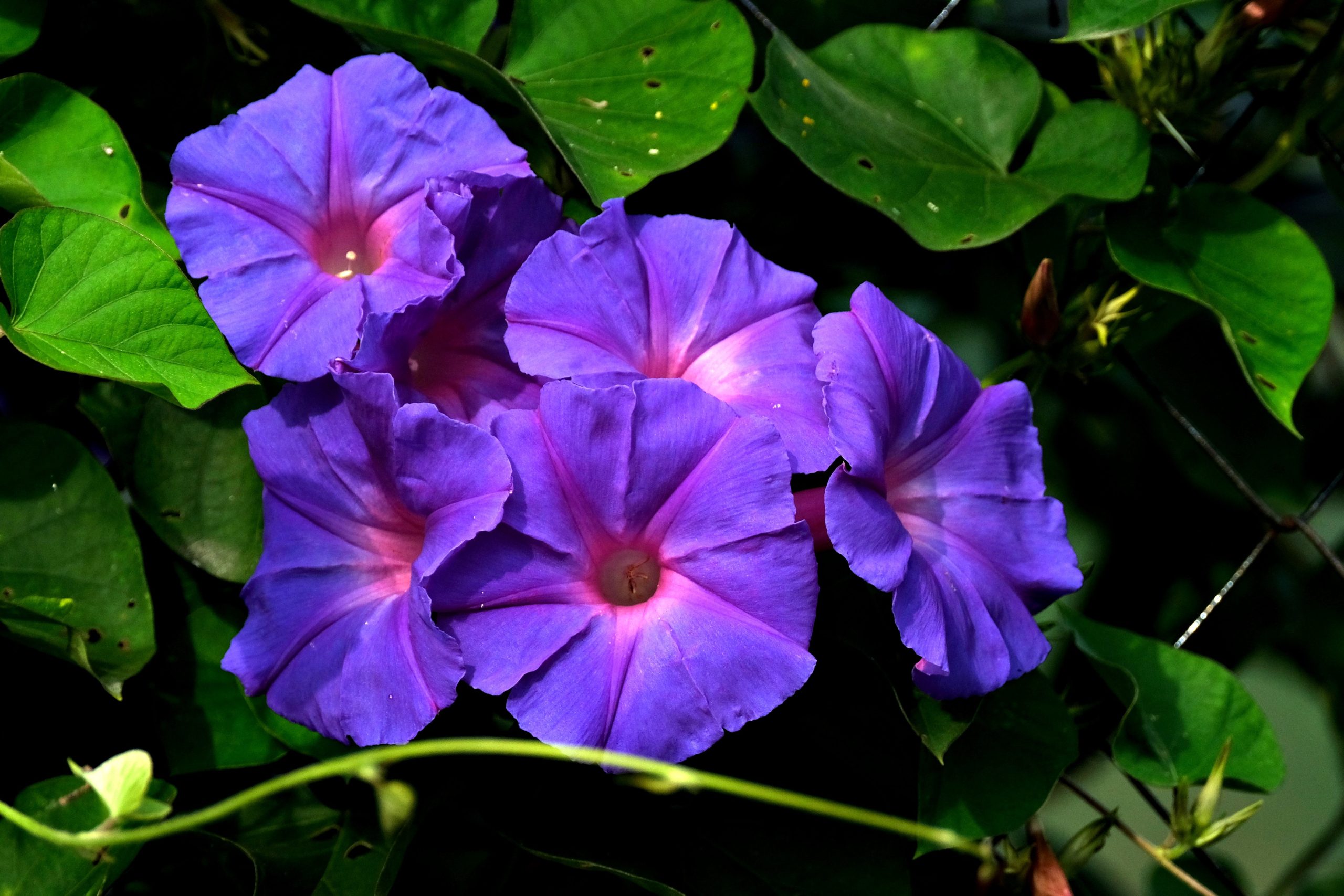
like the purple Morning Glory
Tumbleweed, oh tumbleweed
You roll so far and spread with speed
Lantana: though pretty you are
invade weed-like so wide and far
English Ivy, sturdy and green
grows like Jack’s fabled bean
Blackberry, you taste divine
but oh, you’re hard to confine!
Gamba Grass and Prickly Pear
change ecosystems everywhere
So, let’s clean up! Give native plants
a really good fighting chance!
When Australia was colonised, many plants were brought from England and beyond to remind the new settlers of home. These plants frequently spread far and wide, irrevocably altering Australian ecosystems. These introduced plants had no natural predators or competition, so they regularly outcompeted (and sometimes pushed to and even beyond the brink of extinction) our own native vegetation. Many scientists and environmental groups are still fighting tirelessly to eradicate these plants from our wilderness areas.

Seed-to-Tree Action by Sukarma Thareja & Celia Berrell
I’m a very small seed
and hidden in me
is the plan that I need
to grow a great tree.
I don’t need to see
the whole of me,
just read DNA
like a book about me!
Page one says, “please start”.
That gives me my height.
Page two: “grow this fast”
for slope – that’s my rate.
Page three: “start to bend”,
my curves will begin.
You see, all instructions
are hidden within.
Height, slope and bend
are just the beginning
of functions, instructions
that keep our tree growing.
In Maths, this is called
a Taylor Expansion –
growing the shapes
for seed-to-tree action.
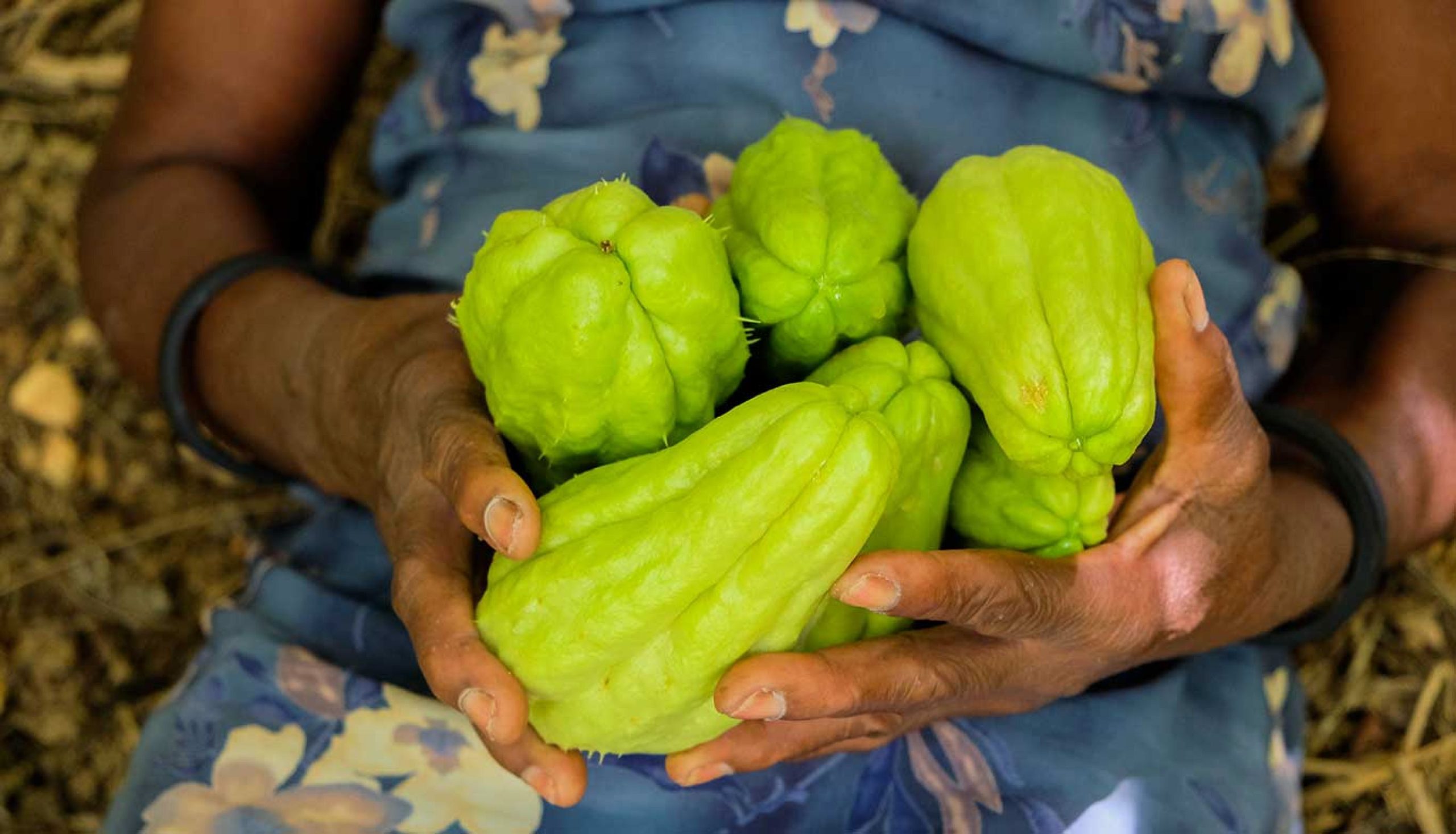
Hello, I’m a choko! by James Aitchison
Call me a choko or a chayote,
Or a vegetable pear.
I’m nicely green and spiky,
You can grow me anywhere.
On backyard fences or on sheds,
My vines just love to climb.
Plant me when I sprout,
I’ll grow for you in no time.
Cut me in half, remove my seed,
And boil or steam or roast me.
Serve me up for dinner,
With melted butter mostly.
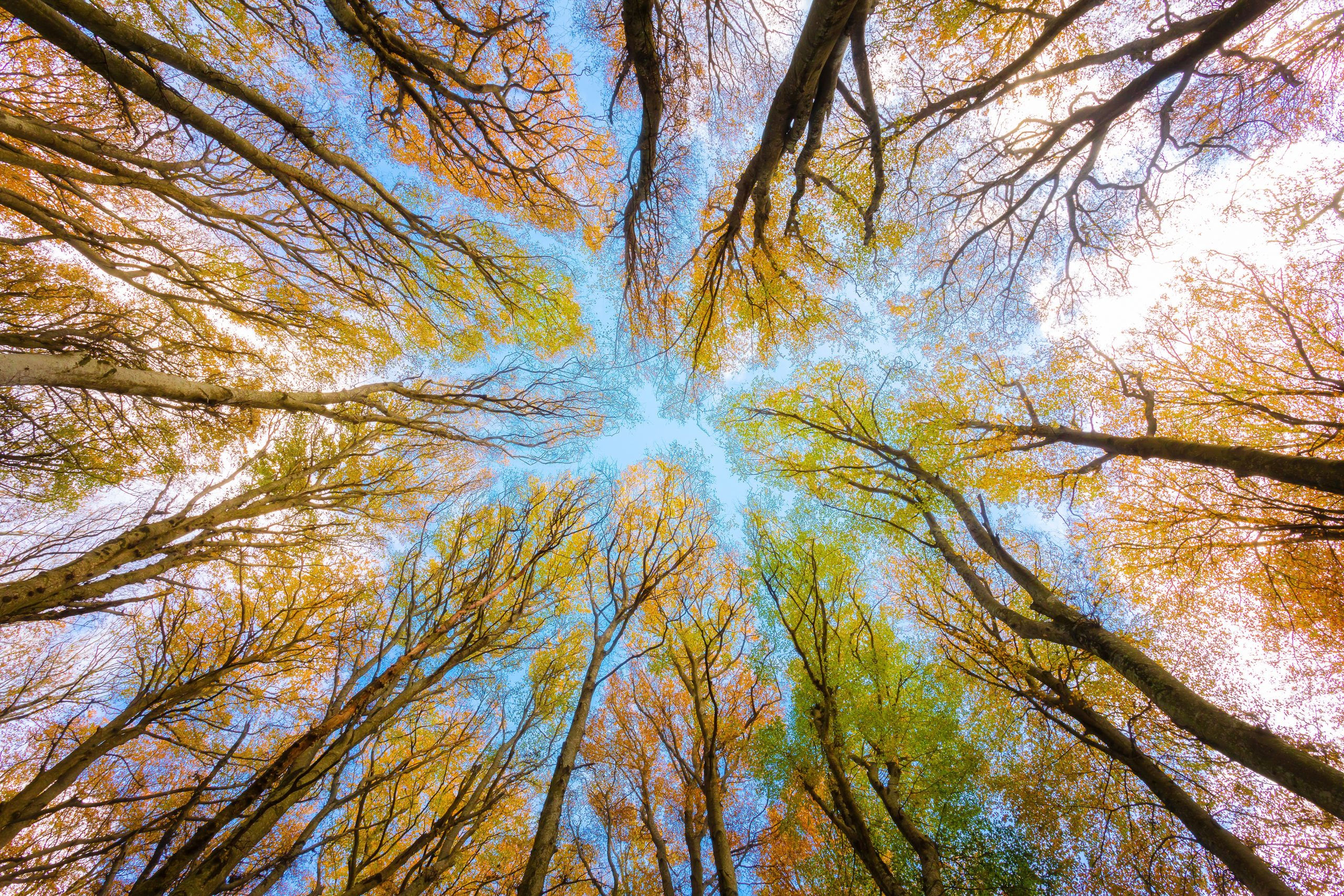
Every Tree in the Park by Jeanette Swan
I love to stare through leaves under old wide trees,
beneath canopies of glittery sunshine
rustled by breaths of some invisible breeze:
each tree is a parasol – a living design.
I love seed-codes, sudden sprouts, giants’ ages;
bud-burst, summer stretch, autumn, winter stages.
When bowed in purple storms,
when wild branches thrash,
lightning strikes – cracks…
trees, still magnificent – crash!
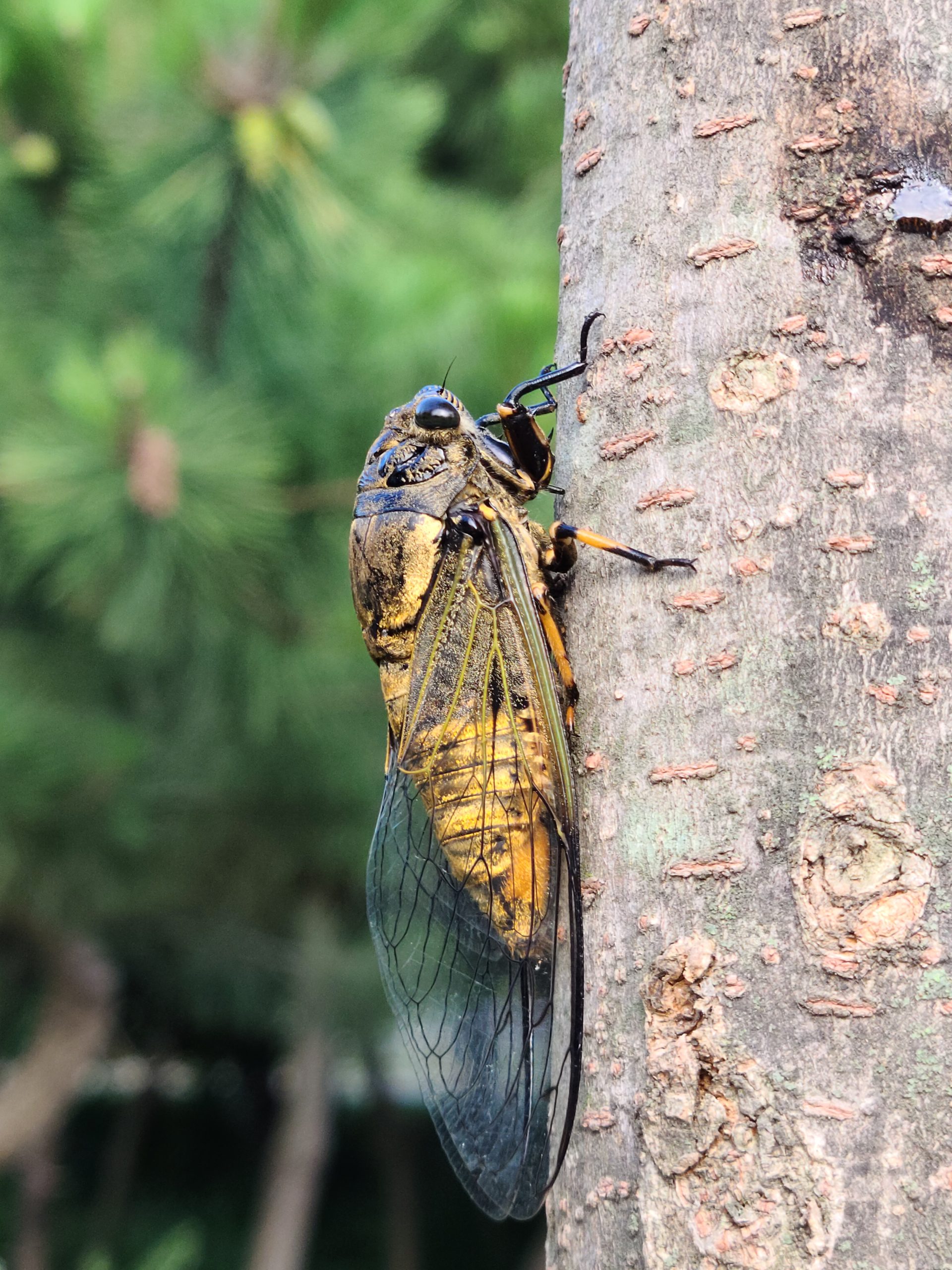
In the Shade of Trees by Jeanette Swan
Softly, one grey spider weaves
underneath the heart-shaped leaves.
Upside-down, cicadas cling.
All the day they loudly sing.
I stand still beneath them all.
They are little. I am small.

Shimmer by Stefan Nicholson
Touched by the breath of a silent breeze,
the shimmering Derwent comes alive,
dancing to flashes, a field of golden light,
like ripples of honey from a busy hive,
lighting the distance to frame a wondrous sight,
where, wild birds take rest – and float and dive.
Then, as the blustering North-Wester arrives,
with heavy clouds, the shimmer is transformed,
into a grey and solemn phase,
mist and drizzle, soften the wildlife sounds.
It surely will last for several days,
with howling wind ensuring no wild birds are found,
even amid the swaying trees. They left early. No more for us to gaze.
For Autumn is upon us . . . only stragglers remain.
And in haste they now prepare, for cold grey days ahead,
or rest quietly, for ever,
in an icy, wintery bed.
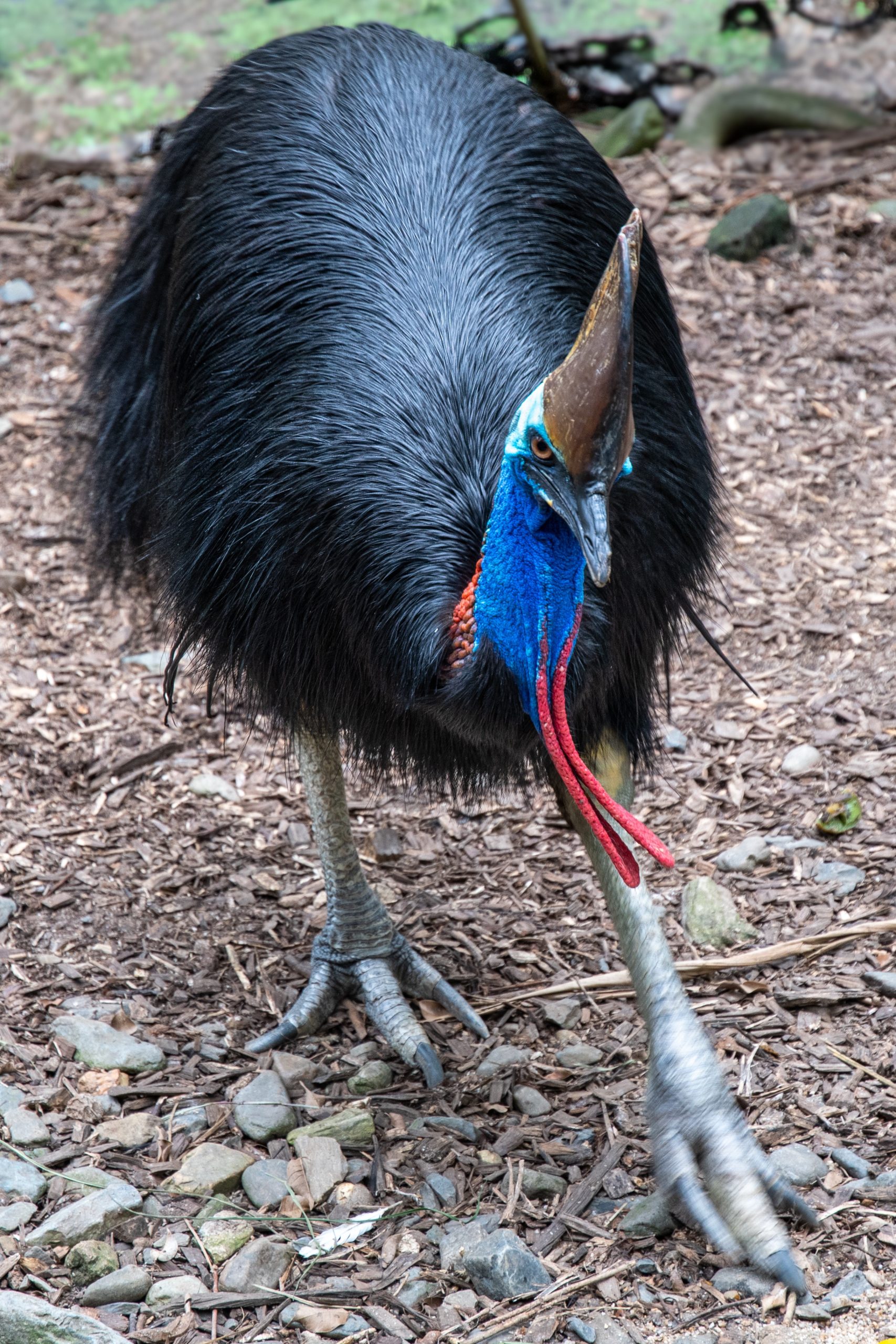
Rainforest Gardeners by Linda Davidson
Large and colourful, with a casque on their heads;
Glossy black feathers with three toes to tread,
Cassowaries are known as the rainforest gardeners.
They swallow fruit whole then become seed dispersers.
A favourite food is the Davidson Plum;
Those seeds germinate when excreted in dung!
This marvellous system of nature’s creation
Ensures northern rainforest’s regeneration.
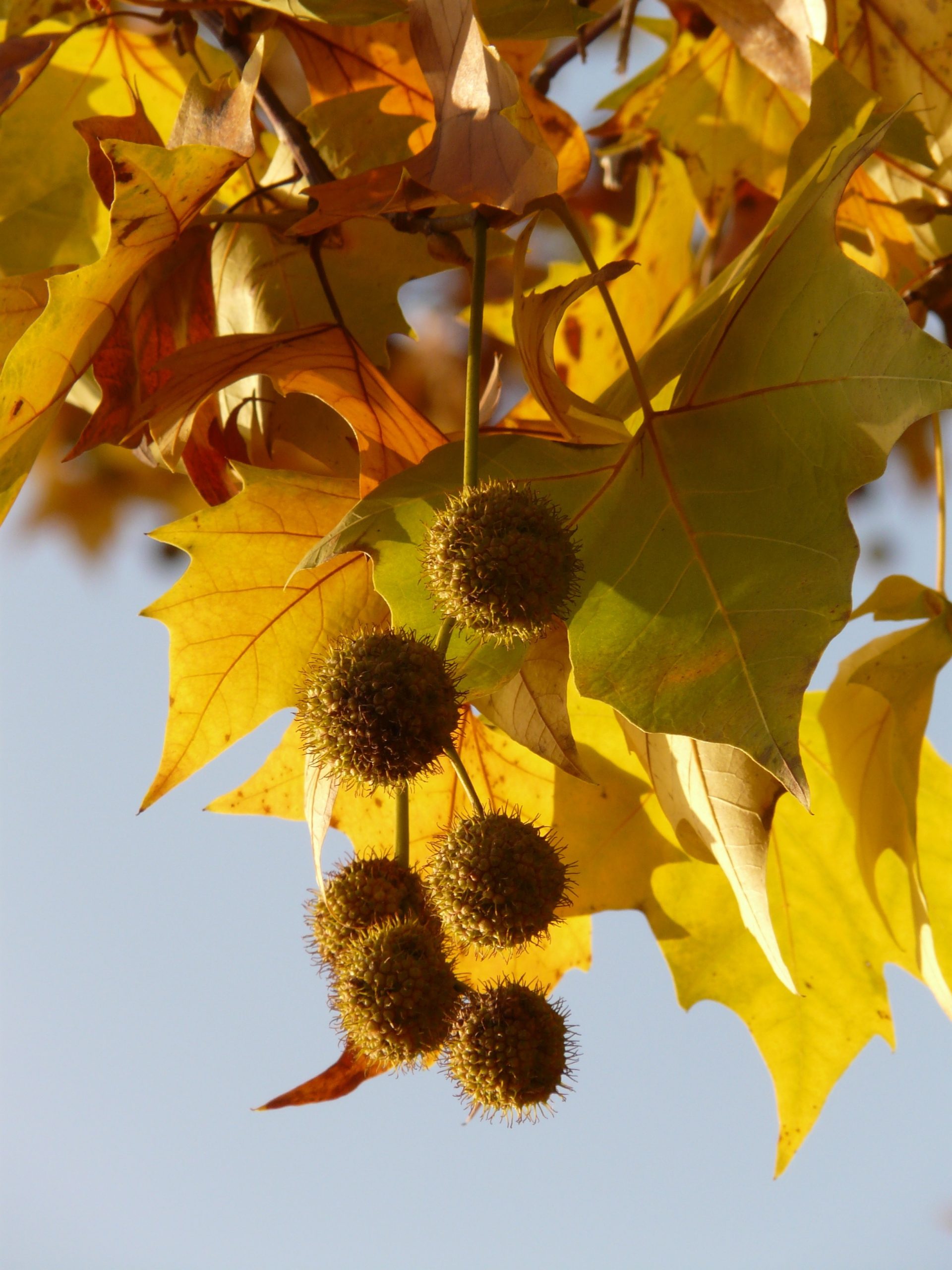
The Plane Tree by Toni Newell
The Plane Tree isn’t plain
It’s beautiful to see
A canopy that reaches far
A woody perennial tree.
Their seeds are housed inside
Hairy round seed pods
That dangle from its branches
Raspatory system it’s at odds.
Bare branches spread in winter
For it is deciduous
Can grow to fifty meters tall
In tree world it’s prestigious.
The plane tree wasn’t born here
Some came from London town
They’re now in many cities
And for me they wear the crown.

Artwork by Andrea Lew
H2O by Andrea Lew
Did you know that
H2O
is the chemical symbol for water?
Hydrogen, Hydrogen Oxygen.
Drink several glasses every day
to keep the doctor away.
Did you know that
H2O
is good for health and hydration?
It regulates body temperature
and is part of respiration.
Did you know that
H2O
exists as liquid, solid and gas?
On Earth we have all three
Elsewhere it’s mostly found as ice.
Vital for health and hydration,
this refreshing liquid drink,
for humans, plants and animals
deserves our celebration!

Lemon Myrtle Haiku by Jeanie Axton
campfire scones
the fragrance of lemon myrtle
sparks a memory
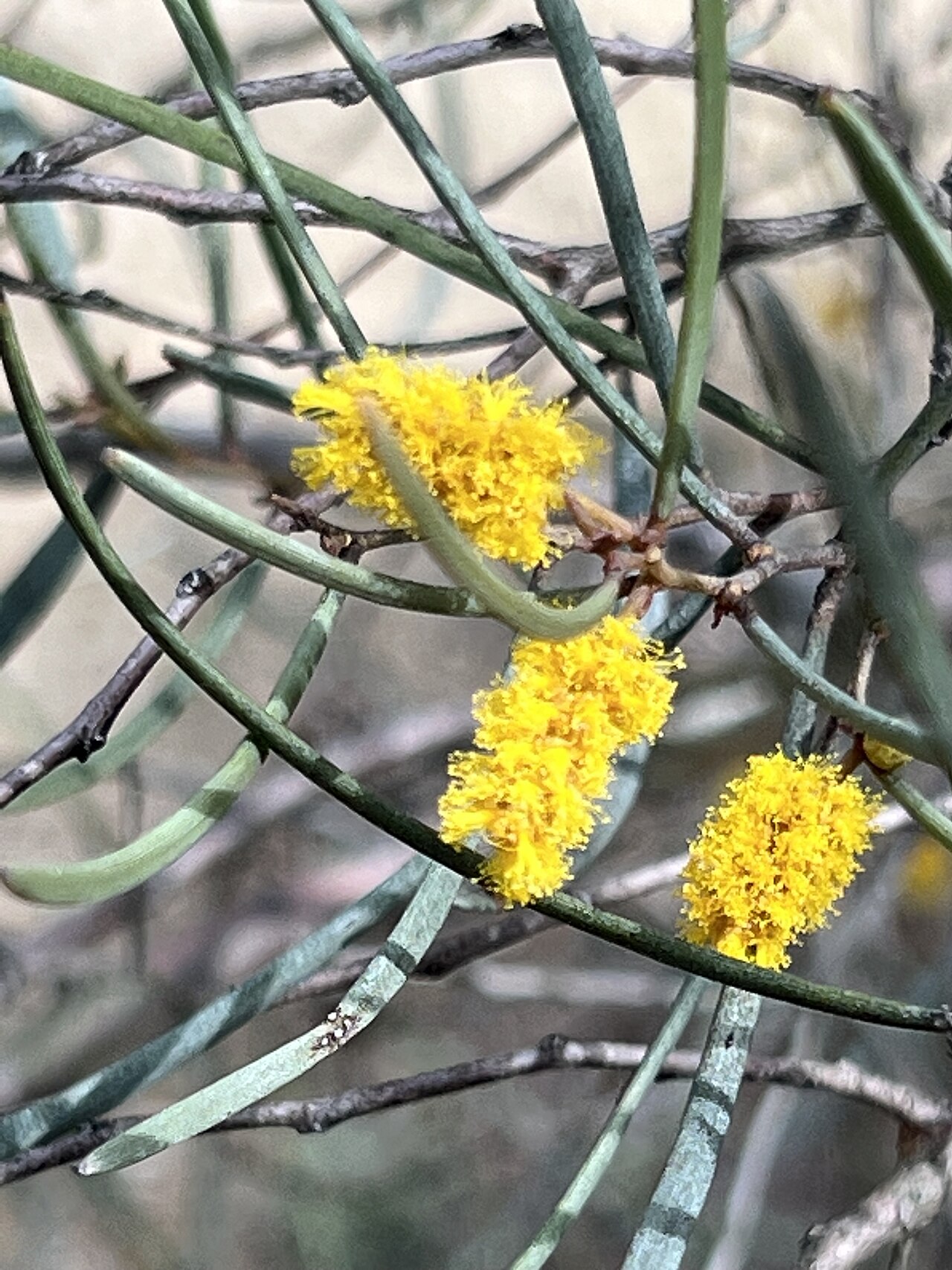
Sturdy Mulga Trees by Celia Berrell
Stretching up towards the skies
or weeping boughs drawn by their sides,
iconic mulga, drab and droll,
still represent Australia’s soul.
In sunburnt soils on arid lands,
with long strong roots, the mulga stands.
High heat; cold nights are mulga’s fate.
In drought these trees can hibernate.
Their rugged bark with groovy tracks
can channel drips down trunks of black.
Instead of leaves, they’ve phyllodes.
Flattened stems that clatter breeze.
Mulga blossoms, tassled gold,
are quick to let sweet-scents unfold.
Flowering not for Spring, but rain.
Should water kiss their harsh terrain.